Outline
- Why a real-food protein list beats powder first
- How to read this list (protein per 100g, per serving)
- Animal-based high-protein foods (20 items)
- Plant-based high-protein foods (20 items)
- The 10 cheapest proteins on any budget
- Simple high-protein food combos that hit 30g
- A one-week cheap high-protein shopping list
- FAQ
- Conclusion
40 High-Protein Foods (Cheap, Simple, No Powder Needed)
Here’s a sentence that saves beginners hundreds of dollars: you do not need protein powder to eat enough protein. Powder is convenient — a scoop in water takes ten seconds. But it is not a requirement, and it never was. Generations of strong people built muscle on eggs, lentils, milk, and meat long before the first tub of whey existed.
This high protein foods list gives you 40 real foods with honest protein numbers, split into animal and plant sources, with the cheapest options flagged. Everything here is available at a normal grocery store or local market. No exotic imports, no specialty shops. If you’re figuring out how much protein per day you need, this list is how you actually eat it.
A quick note on numbers: protein content varies by brand, cut, and cooking method. The figures below are reliable averages per 100 grams (about 3.5 oz) unless a serving size is stated. We rounded to whole numbers — close enough for real life, since nobody’s gains depend on 2 grams.
Animal-Based High-Protein Foods (20)
Animal proteins are “complete” — they contain all essential amino acids in good ratios, which makes them efficient muscle-building fuel.
- Chicken breast — 31g per 100g. The undisputed king. Cheap, lean, endlessly versatile. Buy in bulk and freeze.
- Turkey breast — 30g per 100g. Slightly leaner than chicken, same playbook.
- Tuna (canned in water) — 26g per 100g. One can is a 30g protein meal for pocket change. Watch mercury — a few cans a week is fine, daily is pushing it.
- Salmon — 25g per 100g. Bonus: omega-3 fats your joints will thank you for. Frozen fillets are much cheaper than fresh.
- Sardines — 25g per 100g. The budget fish nobody respects. Mash on toast with lemon and you’re done.
- Eggs — 13g per 100g (6g per large egg). The most underrated protein on earth. Boil a batch on Sunday and snack all week.
- Egg whites — 11g per 100g. Pure protein, almost no fat. Mix 2 whole eggs + 4 whites for a big omelet that stays lean.
- Greek yogurt (plain) — 10g per 100g. Twice the protein of regular yogurt. Check the label — flavored versions sneak in a lot of sugar.
- Cottage cheese — 11g per 100g. Slow-digesting casein protein makes it a great evening snack.
- Milk (whole or low-fat) — 3.4g per 100ml, so a big 500ml glass gives you 17g. Old-school lifters drank a liter a day for a reason.
- Beef (lean cuts) — 26g per 100g. Sirloin and round are lean; they cost more than chicken, so use them rotationally.
- Pork tenderloin — 26g per 100g. Leaner than most people assume, and often cheaper than beef.
- Shrimp — 24g per 100g. Almost pure protein, cooks in three minutes. Frozen bags are the economical move.
- Mackerel — 24g per 100g. Cheap, oily, packed with omega-3s. Strong flavor — not for everyone, but the nutrition is elite.
- Cod / white fish — 18g per 100g. Mild, lean, and usually affordable frozen.
- Paneer — 18g per 100g. The vegetarian lifter’s best friend in South Asian cooking. Make it at home from milk and it’s dirt cheap.
- Chicken thighs (skinless) — 26g per 100g. Slightly more fat than breast, much more flavor, often cheaper. Don’t fear them.
- Liver (chicken/beef) — 20–26g per 100g. Plus iron and vitamin A in amounts that put supplements to shame. Once a week is plenty.
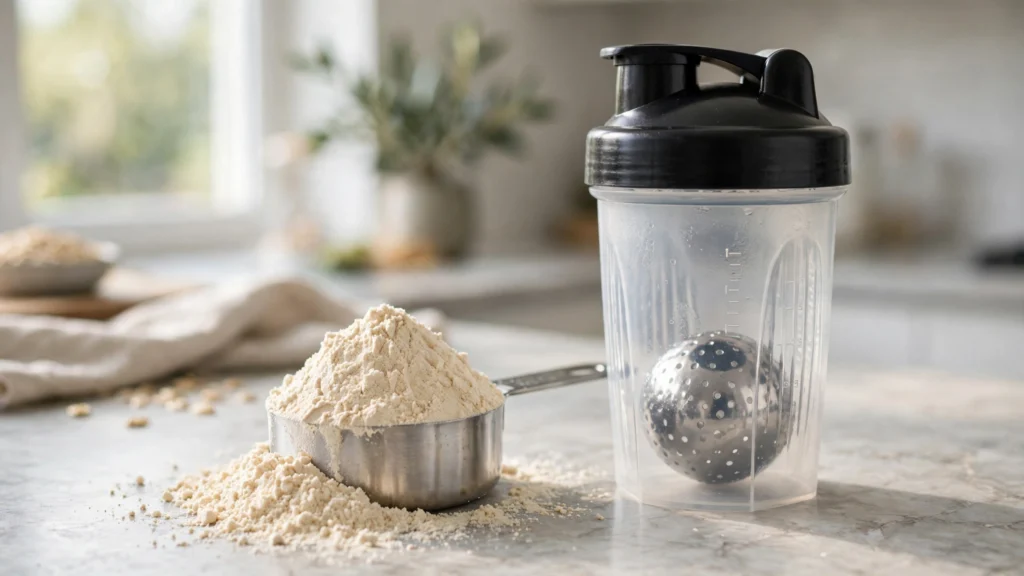
- Whey protein — 75–80g per 100g of powder (about 24g per scoop). Included for honesty: it’s food-adjacent, cheap per gram of protein, and useful — just not mandatory. Our protein powder guide covers how to pick one.
- Kefir — 3.3g per 100ml, plus probiotics. A 500ml bottle is 16g of protein your gut will appreciate.
Plant-Based High-Protein Foods (20)
Plant proteins are slightly less efficient per gram (most are lower in one or two amino acids), but eat a variety across the day and your body assembles everything it needs. The trick is combining — rice + beans, dal + rice, hummus + bread.
- Red lentils (masoor dal) — 24g per 100g dry (about 9g per 100g cooked). The cheapest protein on this entire list. Cooks in 15 minutes, no soaking.
- Chickpeas (chana) — 19g per 100g dry (9g per 100g cooked). Roast them with spices for a crunchy snack that beats chips.
- Black beans — 21g per 100g dry (9g per 100g cooked). Burrito bowls, chili, or simple boiled beans with rice.
- Kidney beans (rajma) — 22g per 100g dry (9g per 100g cooked). A classic for a reason.
- Soybeans — 36g per 100g dry. The most protein-dense plant food here. Edamame (young soybeans) gives 11g per 100g and eats like a snack.
- Tofu (firm) — 17g per 100g. Press it, season it aggressively, then pan-fry. Bland tofu is a cooking failure, not a tofu problem.
- Tempeh — 19g per 100g. Fermented, nutty, and holds marinades beautifully.
- Peanuts — 26g per 100g. Cheap, calorie-dense, dangerously snackable. Measure your handfuls.
- Peanut butter — 25g per 100g (8g per 2 tablespoons). The bulking classic. Natural versions without added sugar are worth the stir.
- Almonds — 21g per 100g (6g per small handful). Good protein for a nut, but the calories add up fast — portion them.
- Oats — 13g per 100g dry. Breakfast that starts you at 13g before you add milk, yogurt, or peanut butter.
- Quinoa — 14g per 100g dry (4.4g per 100g cooked). A complete plant protein — rare and useful.
- Whole wheat bread — 13g per 100g (about 4g per slice). Two slices with peanut butter is a legitimate 16g snack.
- Pumpkin seeds — 30g per 100g (7g per small handful). Sprinkle on everything — salads, oats, yogurt.
- Sunflower seeds — 21g per 100g. Same deal: cheap, crunchy, easy.
- Chia seeds — 17g per 100g (3g per tablespoon). Better known for fiber and omega-3s; the protein is a bonus.
- Hummus — 8g per 100g. Chickpeas + tahini. Dip vegetables or spread thick on bread.
- Green peas — 5g per 100g. Not a protein star, but they add up across a big serving and bring fiber.
- Seitan — 25g per 100g. Wheat gluten made meaty. Extremely high protein, but skip it if you’re gluten-sensitive.
- Soy milk (unsweetened) — 3.3g per 100ml, similar to dairy milk. The only plant milk with comparable protein — oat and almond milk are mostly water by comparison.
The 10 Cheapest Proteins (Per Gram of Protein)
If budget is the constraint — and for most beginners it is — these ten win on cost per gram of protein in almost every country:
- Red lentils / dal
- Eggs
- Peanuts and peanut butter
- Milk
- Canned tuna
- Chicken (whole or thighs)
- Oats
- Chickpeas / beans (dried)
- Cottage cheese
- Soybeans / tofu
Notice what’s missing: protein bars, ready-to-drink shakes, and fancy “superfood” powders. The fitness industry sells convenience at a markup. The foods above are the actual foundation — everything else is optional. Independent nutrition resources like https://www.healthline.com and https://www.verywellfit.com regularly publish budget protein roundups that confirm the same pattern: whole foods beat packaged products on cost per gram of protein.
Simple Combos That Hit 30g of Protein
Knowing the list is one thing; assembling meals is another. Here are plug-and-play combos, each roughly 30 grams:
- Breakfast: Oats cooked in milk + 2 tbsp peanut butter + a banana (~28g)
- Lunch: 1 cup cooked red lentils + 1 cup rice + yogurt on the side (~28g)
- Dinner: 120g chicken breast + big serving of vegetables + 1 cup rice (~35g)
- Snack plate: 200g Greek yogurt + handful of almonds + an apple (~26g)
- Vegetarian dinner: 150g firm tofu stir-fry + quinoa + peanuts sprinkled on top (~30g)
- Post-workout quick: 500ml milk + 2 boiled eggs + a banana (~30g)
If you want these planned out for you, our meal prep guide for beginners turns combos like these into a full week of food in about two hours of Sunday cooking. And for the morning specifically, the 15 high-protein breakfast ideas article is built for busy schedules.
A One-Week Cheap High-Protein Shopping List
Here’s a starter list that covers a week of 120–150g protein days for one person, without breaking the bank. Adjust quantities to your appetite:
- Eggs — 2 dozen
- Milk — 3–4 liters
- Greek yogurt or plain curd — 1 kg
- Chicken breast or thighs — 1.5 kg
- Red lentils — 1 kg
- Chickpeas or mixed beans (dried) — 500 g
- Oats — 500 g
- Peanut butter — 1 jar
- Peanuts or almonds — 300 g
- Rice — 2 kg
- Frozen mixed vegetables — 1 kg
- Bananas, apples, seasonal fruit
- Onions, tomatoes, garlic, ginger, basic spices
That’s the whole foundation. Add a can or two of tuna and some cottage cheese if your budget allows, and you’re eating like someone who takes training seriously — for less than the cost of two tubs of fancy protein powder.
Frequently Asked Questions
What is the highest protein food per 100g?
Among whole foods, chicken breast (31g), pumpkin seeds (30g), and peanuts (26g) top the list. Dried soybeans hit 36g but nobody eats them dry. For practical meals, chicken breast, tuna, and firm tofu are the heavy hitters you’ll actually eat regularly.
Can I build muscle without eating meat?
Absolutely. Dairy, eggs, lentils, beans, soy products, and quinoa cover all essential amino acids when combined across the day. Many successful lifters are vegetarian. You may need slightly larger portions of plant proteins to match the leucine content of meat, but it’s entirely doable — see our whey vs plant protein comparison for the details.
How do vegetarians get 150g of protein a day?
A realistic day: oats with milk and peanut butter (28g), lentil curry with rice and yogurt (30g), paneer or tofu stir-fry with quinoa (32g), Greek yogurt with nuts (26g), milk before bed (17g), plus snacks like roasted chickpeas and eggs if you eat them. That’s 150g without a single scoop of powder.
Are protein bars a good protein source?
They’re a decent emergency option but a poor daily habit. Most are expensive per gram of protein, packed with sugar alcohols that upset stomachs, and taste like sweetened cardboard. Real food first; bars for travel days and desk drawers only.
Which protein is best for weight loss?
The ones that keep you fullest per calorie: eggs, Greek yogurt, chicken breast, tuna, cottage cheese, and lentils. High protein plus high fiber (lentils, beans) is the winning combination for fat loss — it blunts hunger while protecting muscle. This is general nutrition information, not medical advice.
Conclusion: Start With the Cheap Stuff
You now have 40 foods, the 10 cheapest, ready-made 30g combos, and a full shopping list. The honest truth: most beginners don’t have a protein knowledge problem — they have a protein planning problem. They know chicken has protein; they just don’t have any cooked when hunger hits.
So here’s your move this week: buy the eggs, lentils, oats, and peanut butter from the list above. Boil a dozen eggs on Sunday. Cook a big pot of dal. That’s two hours of work that covers half your protein for the week. Then check how much protein per day you actually need, and if you’re still falling short after real food, our healthy muscle-gain snacks will close the gap between meals.